Correo electrónico
sales@starwinsolar.comTeléfono
+86-592-2076010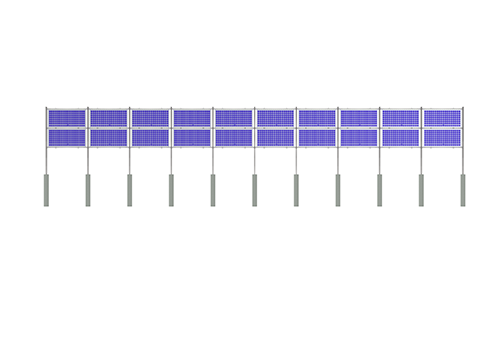
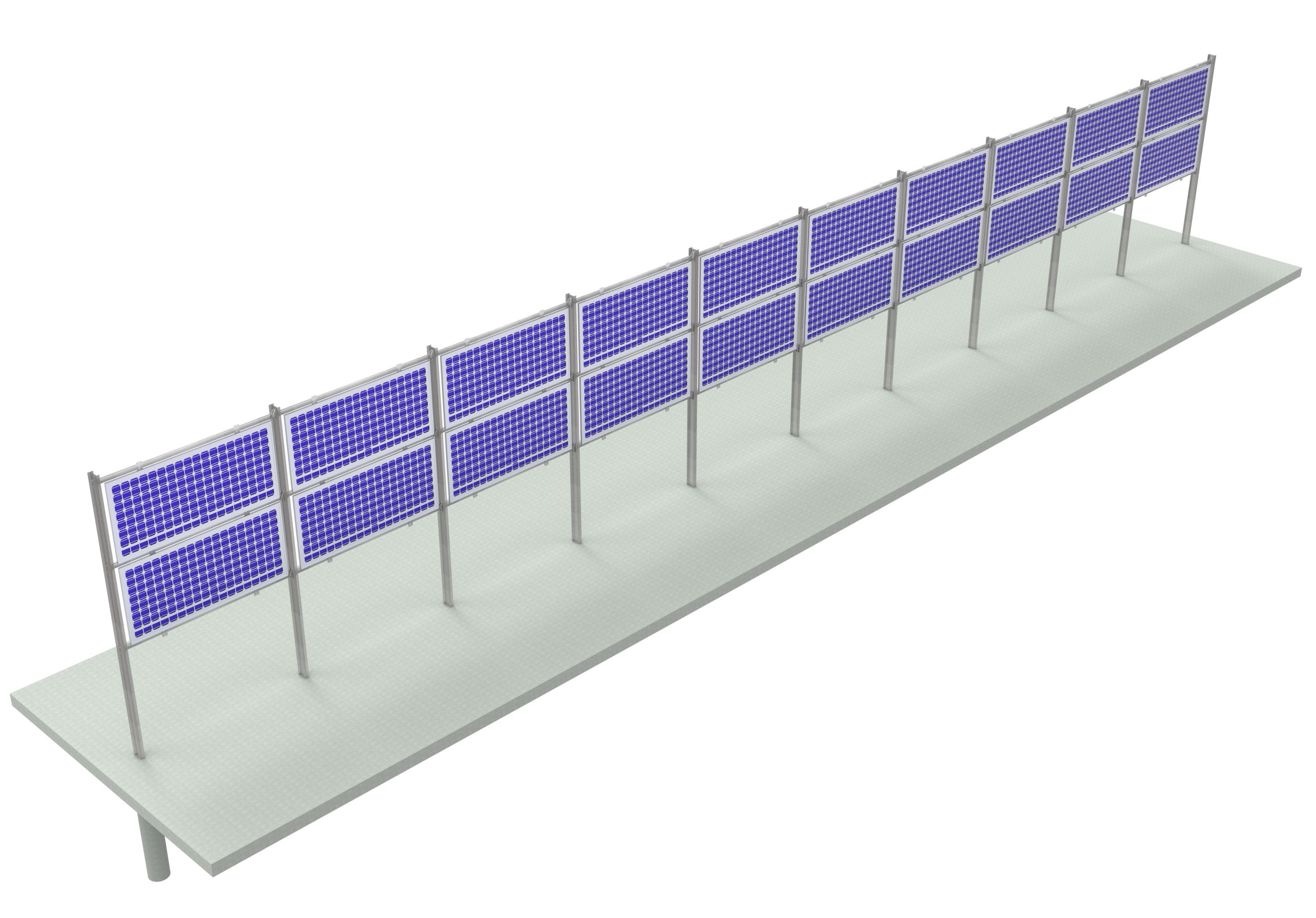
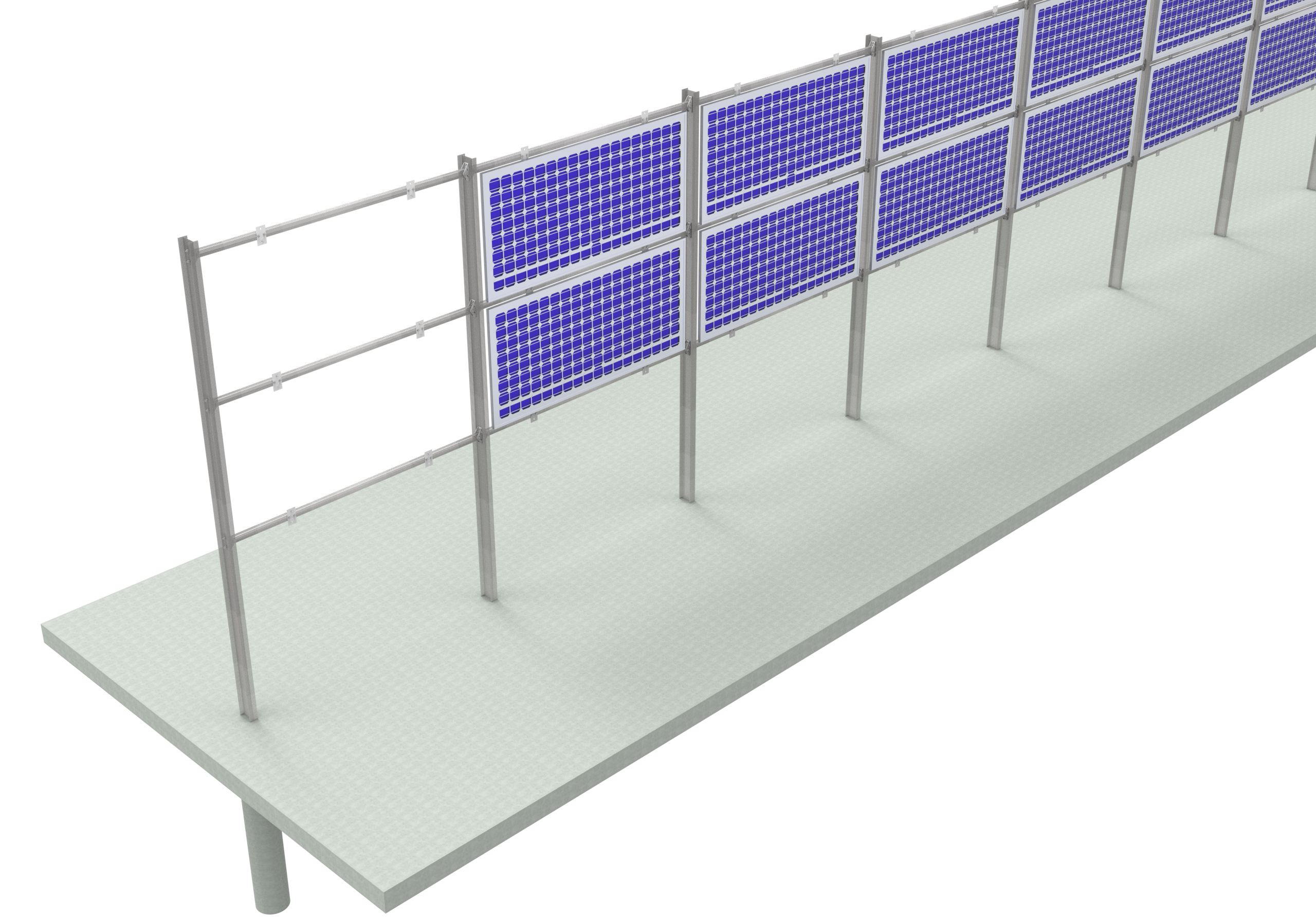
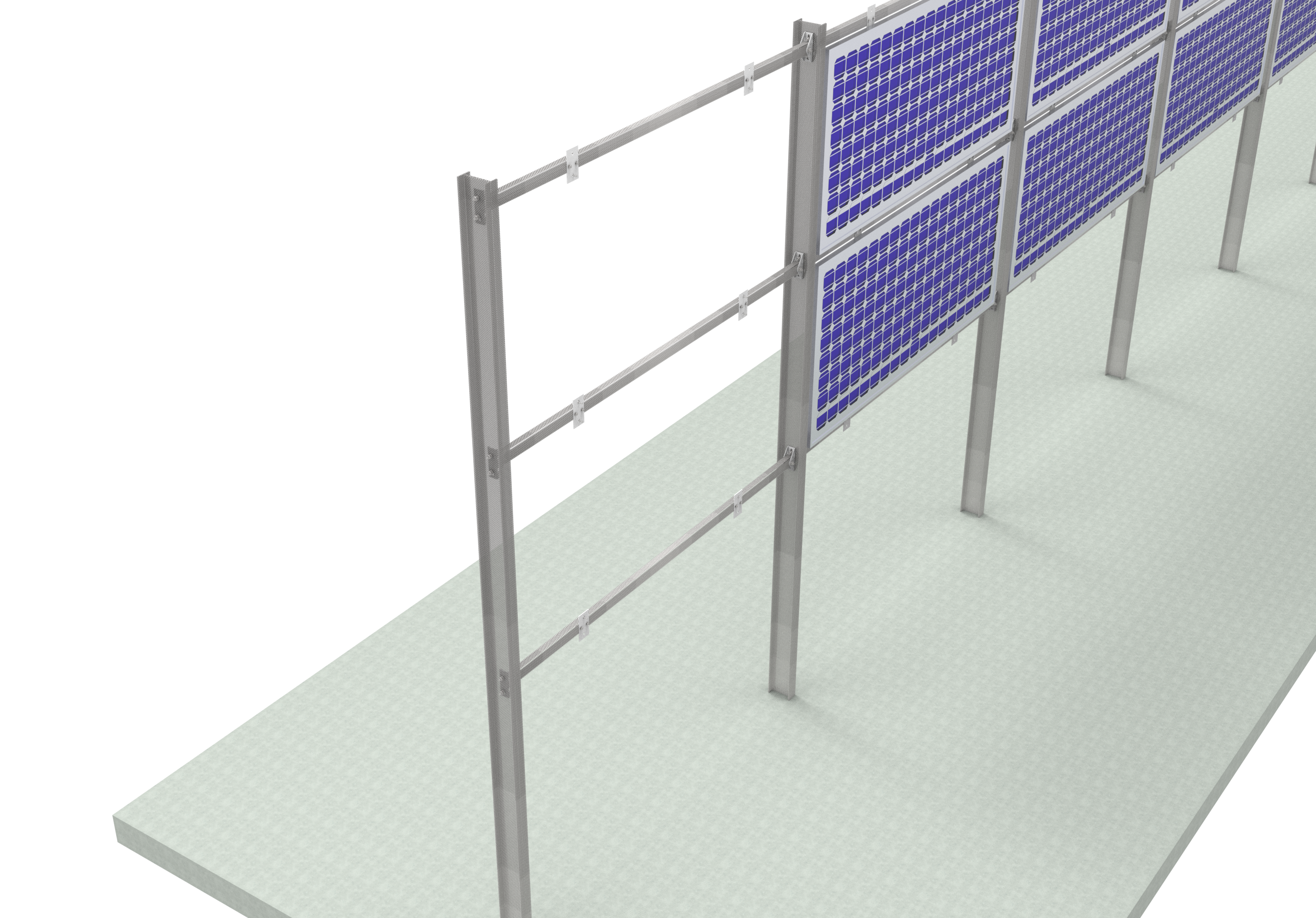
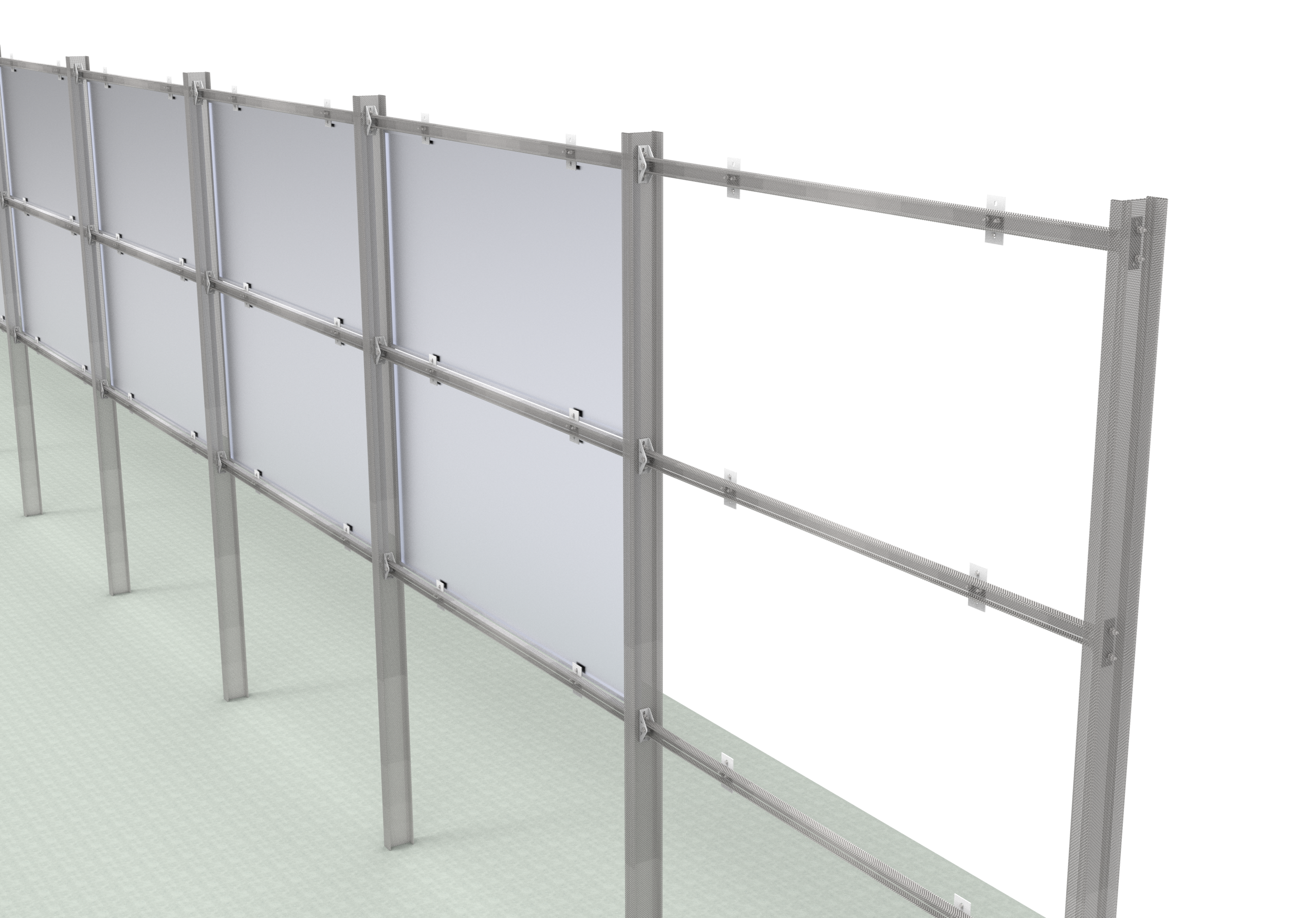
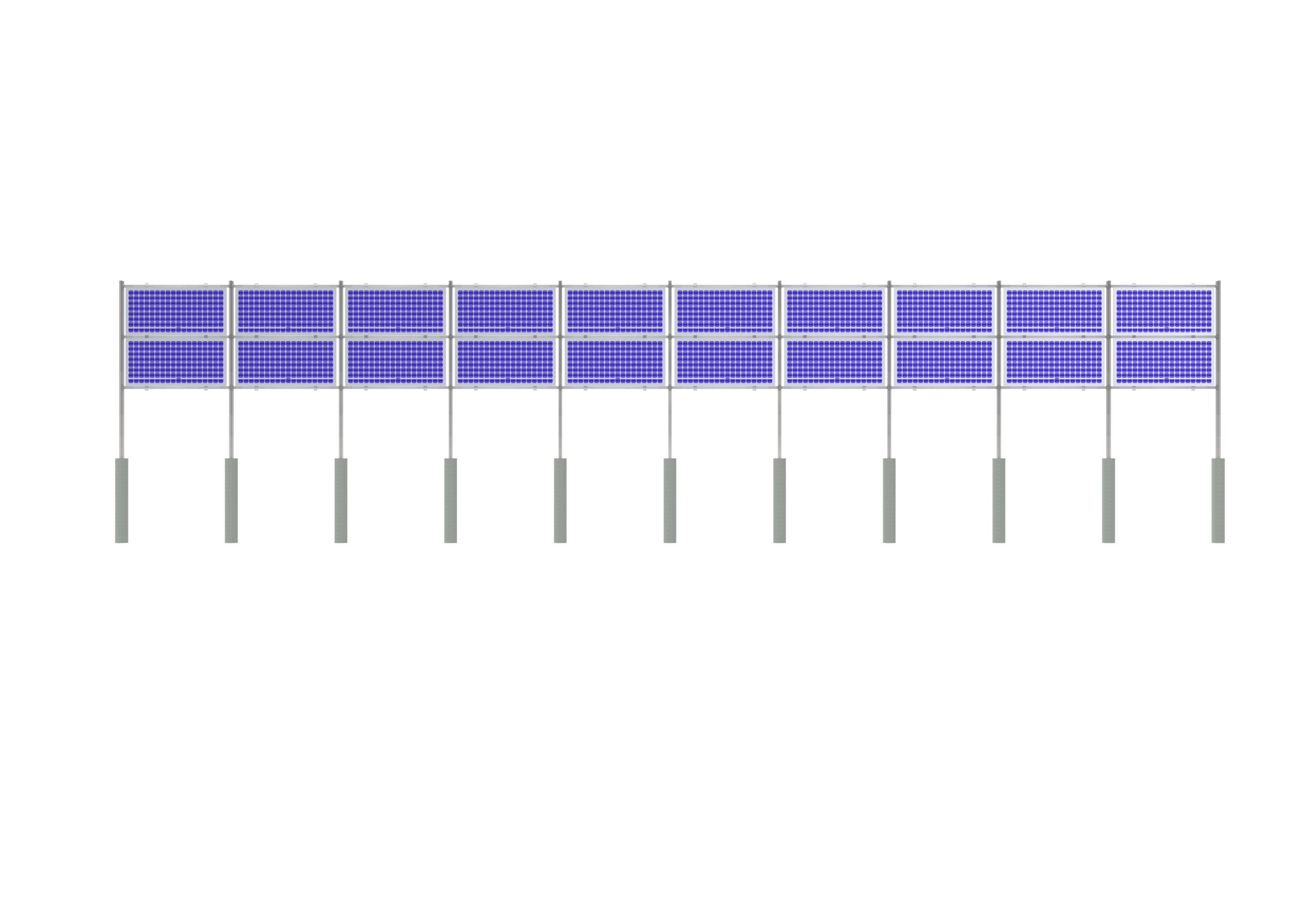
Vertical solar mounting structures
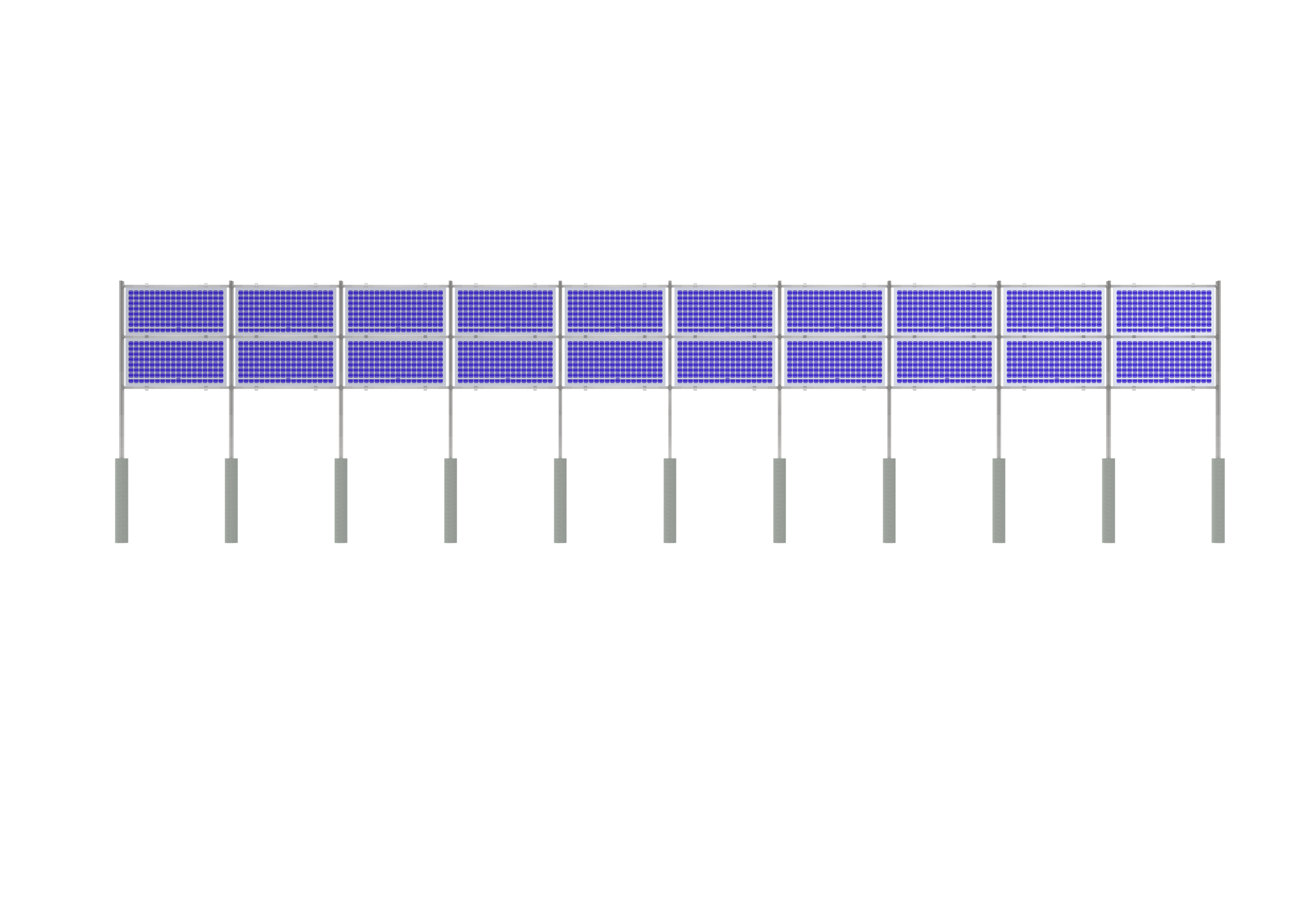
Building-Integrated Photovoltaics (BIPV): Panels are mounted on building facades, curtain walls, or as architectural cladding, utilizing otherwise unused vertical real estate in urban environments.
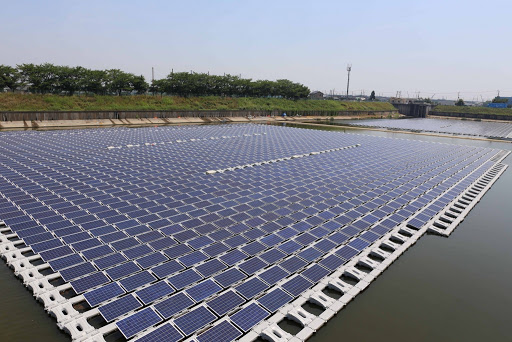
Ground-Mounted Vertical Arrays: Freestanding structures (often east-west facing) used in open fields, airports, or along highways (acting as noise barriers).
Agrivoltaics: Vertical rows allow machinery to pass through and crops to grow underneath with minimal shading, maximizing land use efficiency.
2. Key Structural & Material Details
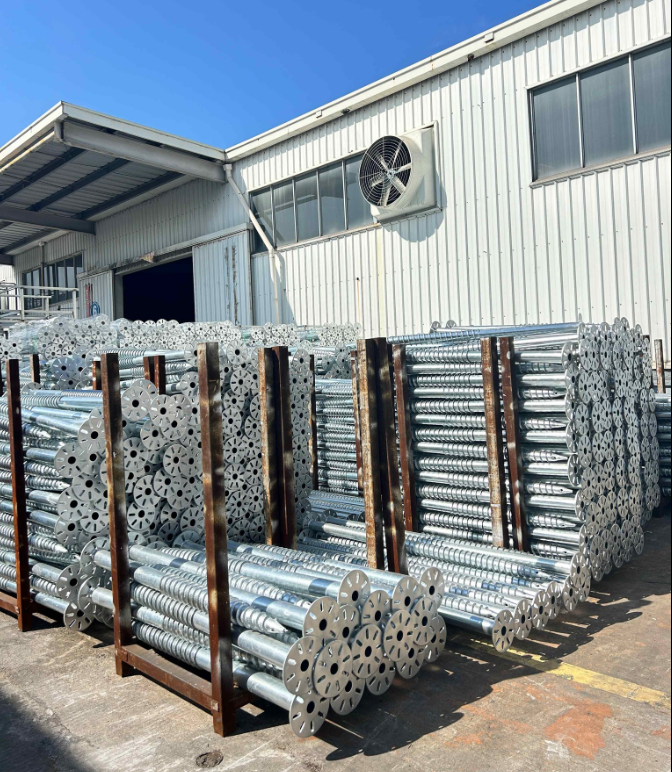
Foundation Types: Depending on soil and load requirements, they use concrete foundations, screw piles (helical anchors), or driven H-piles.
Wind Load Considerations: Vertical panels present a large, flat surface area to the wind. Structures are engineered to withstand high wind speeds (commonly designed for 45m/s to 60m/s) and require robust bracing and stronger foundations compared to low-profile tilted racks.
3. Energy Generation Characteristics
Bifacial Gain: Vertical mounting is ideal for bifacial modules, which capture direct sunlight on the front and reflected/albedo light (from snow, sand, or light-colored ground) on the back, increasing total yield by 15% or more.
High-Latitude & Winter Performance: In higher latitudes (e.g., Northern Europe, Canada), the low sun angle makes vertical panels very effective, especially in winter. They also shed snow naturally, avoiding the output losses associated with snow accumulation on flat/tilted panels.
4. Advantages
Grid Complementarity: The morning/evening peaks help flatten the dddhhhduck curvedddhhh and reduce grid balancing/storage needs compared to midday-heavy traditional solar farms.
Reduced Soiling & Maintenance: Vertical surfaces accumulate less dust and dirt than horizontal surfaces, and rain/wind cleans them more effectively. They are also easier to inspect from the ground.
5. Disadvantages & Challenges
Higher Structural Costs: The need for heavier gauge steel, deeper foundations, and more robust bracing to handle wind loads can increase the Balance of Systems (BOS) cost.
Shading Sensitivity: Vertical rows can cast long shadows east-west in the morning and evening; careful row spacing is required to avoid inter-row shading.
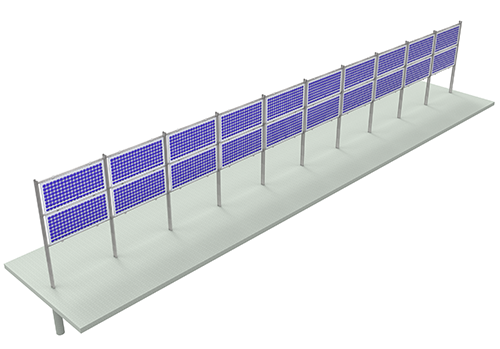
Ground Clearance: Usually, a gap of 0.3m to 0.5m is left between the bottom of the panel and the ground to allow for cleaning, vegetation management, and bifacial light capture.
Pre-assembly: Many modern vertical racking systems are designed for high pre-assembly at the factory (dddhhhdrop-indddhhh or dddhhhwindow-styledddhhh installation) to reduce on-site labor time.
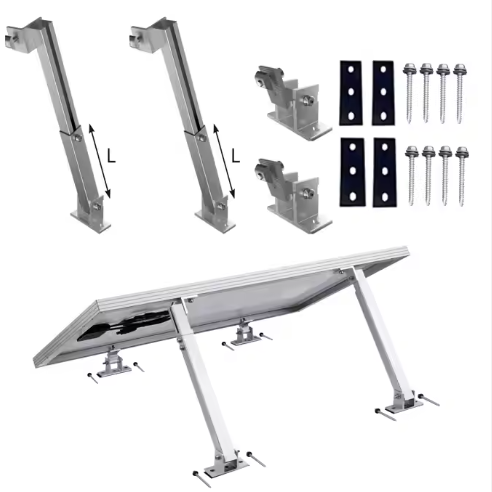
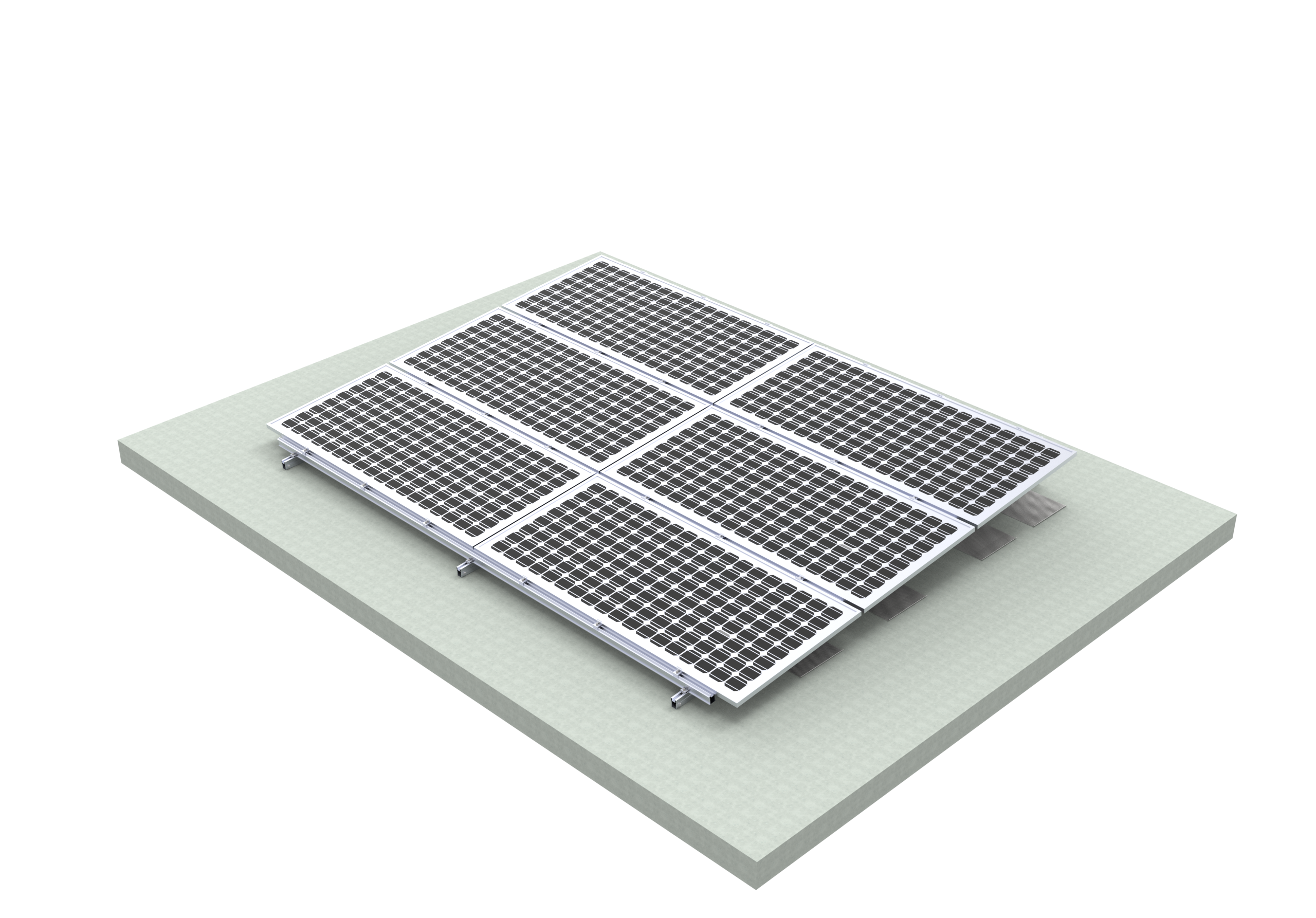
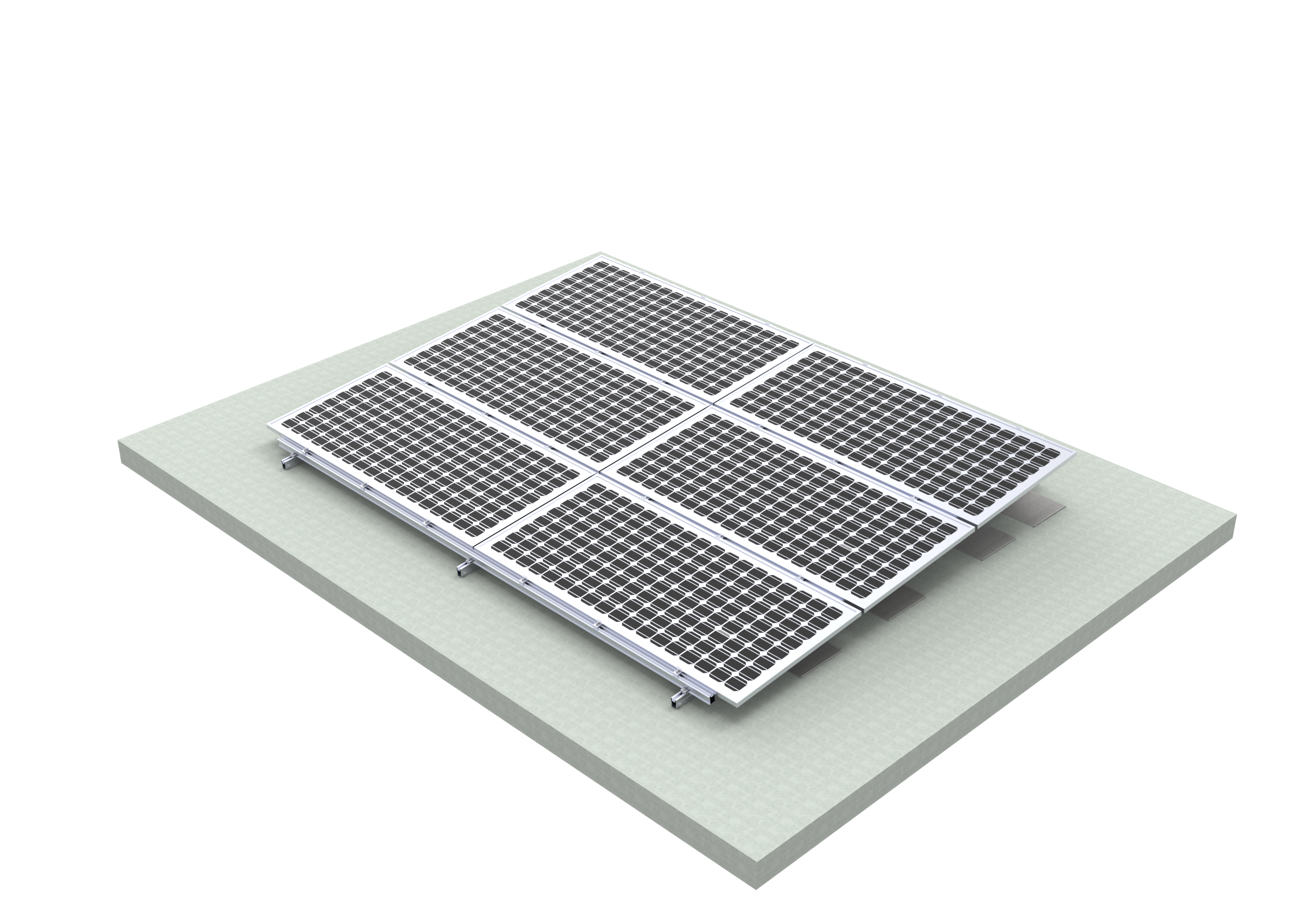
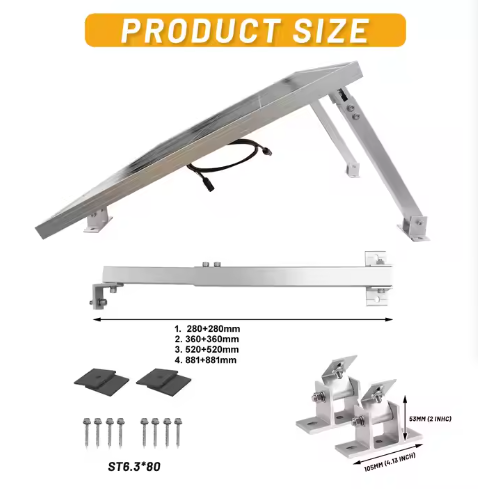
Necessary information to design and quote of the adustable tilt solar racking mounting system manufacturers china:
1. Panel dimension: length, width and thickness?
2. Tilt angle?
3. Panel layout? How many panels in a column, how many panels in a row? How many solar panels in total?
4. Max wind speed on project site?
5. Max snow load on project site?
6. roof top type : metal roof or tile roof or concrete roof .
Requirements to design and quote of the adjustable tilt solar racking:
1) solar panel datasheet (L x W x T)
2) planed layout: ___row X ___nos modules
3) tile angle
4) roof type: metal or tile or concrete
5) orientation of solar panel: portrait or landscape
6) wind load and snow load
Any questions or projects, please contact us without any hesitation!